Operationalizing technical and scientific cooperation to turbocharge the KMGBF implementation
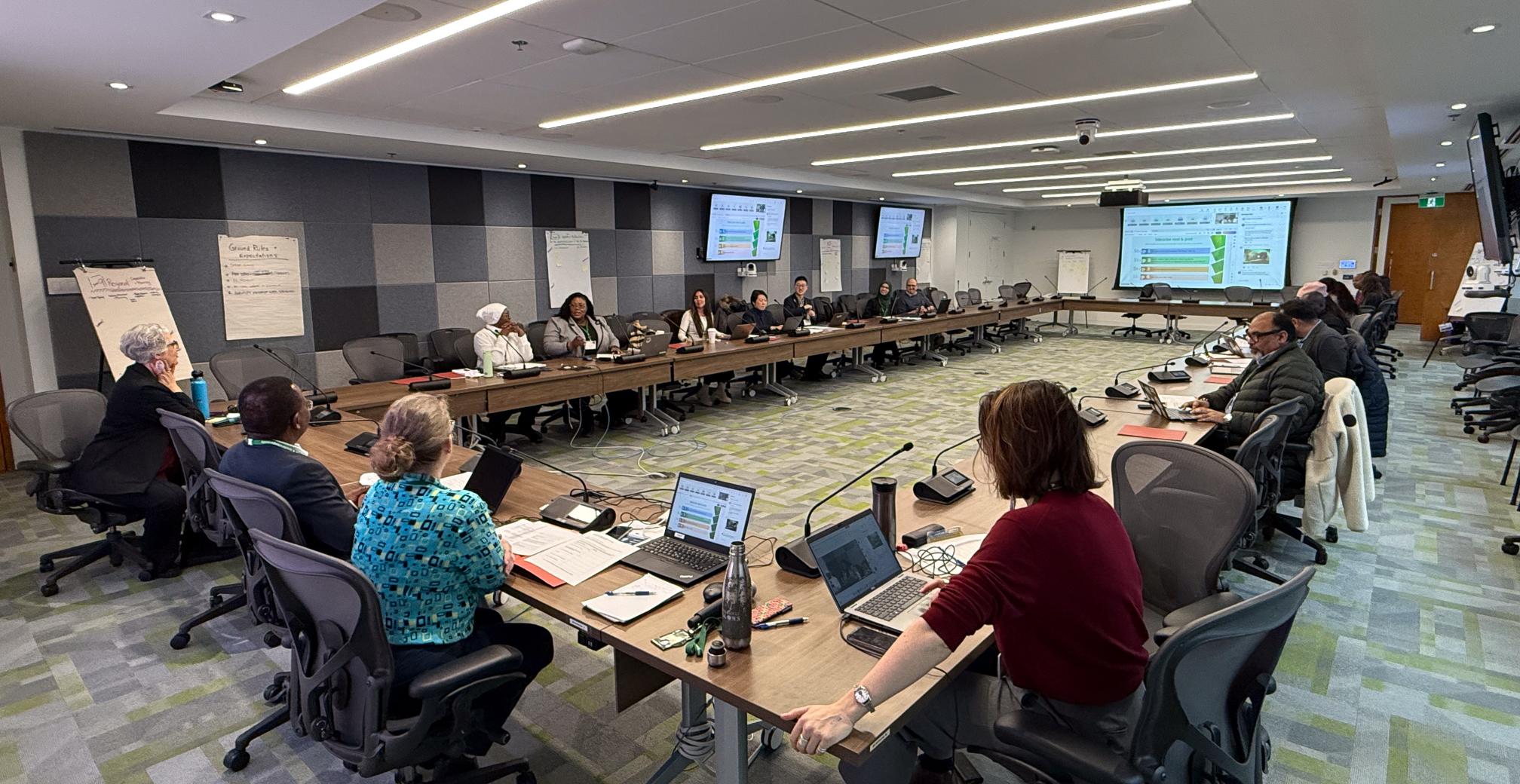
From 13-15 January 2026, the Secretariat of the Convention on Biological Diversity (CBD) hosted a global workshop bringing together the Convention’s 18 Technical and Scientific Cooperation Support Centres (TSCCs), which the Parties to the CBD selected in 2024. Representatives of the TSCCs were joined at the Secretariat’s premises in Montreal for a hybrid workshop attended by experts from UNEP, UNDP, the NBSAP Accelerator Partnership, the China Trust Fund, and the Secretariat of the Kunming Biodiversity Fund.
The TSCCs constitute the operational arm of the technical and scientific cooperation mechanism of the Convention, which was adopted at COP 15 alongside the Kunming-Montreal Global Biodiversity Framework (KMGBF). The mechanism seeks to promote and facilitate cooperation among Parties with a view to leveraging science, technology and innovation to support country-level implementation of the KMGBF.
Marking the transition from concept to a functioning community of practice, the workshop fostered a shared sense of purpose and generated concrete next steps to turbocharge KMGBF implementation. The collective reflections and peer-to-peer discussions focused on the operationalization of the TSCCs, including by equipping them with the guidance and tools they need to lend adequate support to countries in the regions they cover. Support from the European Commission allowed the global coordination entity to develop and deliver the workshop and to commission a diagnostic assessment that informed the workshop design.
Here are three priorities that the workshop helped identify:
1. Finalizing workplans for 2025-2026
The TSCCs are expected to facilitate demand-driven technical and scientific cooperation among the Parties to the CBD with a focus on South-South cooperation. Forms of cooperation can range from knowledge- and data-sharing, to the exchange of thematic expertise and technology transfer. In addition, the TSCCs can also provide specific technical backstopping related to the implementation of the KMGBF.
In the coming weeks, TSCCs will finalize their inaugural workplans including by reaching out to countries in the regions they cover to fine-tune their assessment of national priorities. Once finalized, the TSCC workplans can serve as a basis for potential donors wishing to contribute to the accelerated implementation of the KMGBF.
2. Fundraising for fully fledged operationalization
To become fully operational, the network of TSCCs and the global coordination entity facilitating their work require resources on par with the capacity gaps that they are expected to help bridge. Donors interested in supporting the work of the TSCCs will note two distinctive traits in the way the network is articulated: efficiency and complementarity. Hosted by existing institutions, the TSCCs can draw on their proven expertise and history of underpinning regional cooperation—the very criteria used for their selection—to deliver on their mandate.
Several institutions hosting TSCCs are already well connected to existing platforms, such as the NBSAP Accelerator Partnership, and to groups representing indigenous peoples and local communities, women, youth, academia and science.
3. Fast-tracking support
Based on an analysis of national targets and NBSAPs submitted by the Parties to the CBD, national implementation of the KMGBF appears constrained by persistent data and knowledge gaps, patchy access to technology, institutional and governance challenges and barriers to the application of the whole-of-society approach.
There are only five years left in the implementation period that was agreed for the KMGBF. Accelerated implementation at the national level requires a whole-of-government and whole-of society push, and a boost through cooperation, including of the kind that the TSCCs are expected to foster.